Apartments for Rent in Brno
Looking for an apartment to rent in Brno? Lovec-Realit lists options across all districts - from the historic center and student-favorite Veveří, to leafy Žabovřesky and Královo Pole near the universities, quieter Černá Pole and Lesná, or more affordable Bohunice and Bystrc. Filters help narrow down by apartment layout (studio, 1+kk, 2+kk, 3+kk, 4+1), distance from a tram stop, or specific street. All listings are kept current - outdated ads are removed automatically every day.
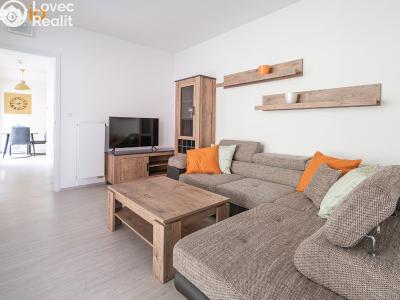
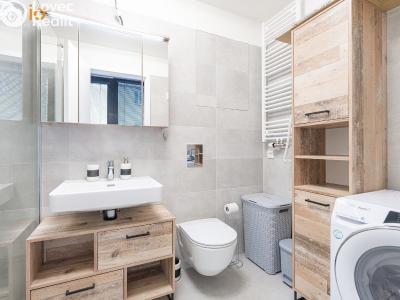
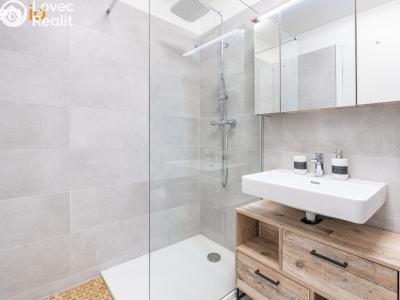
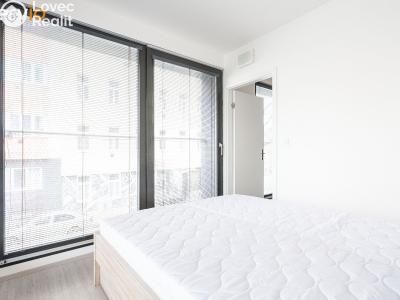
Apartment 2+1 for rent
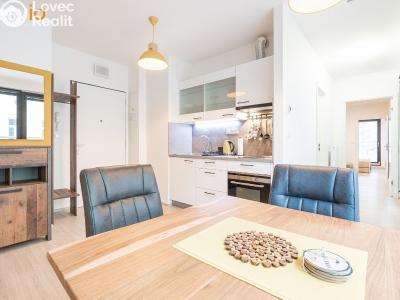
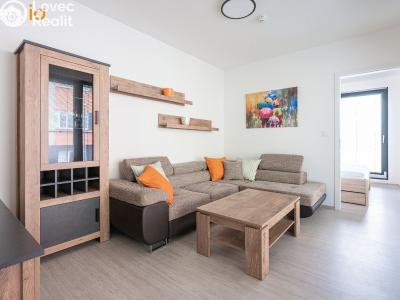
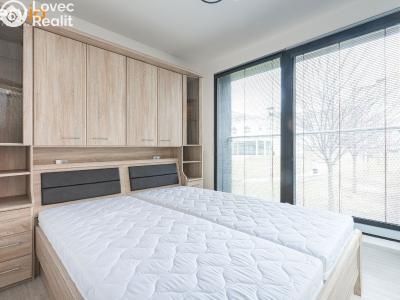
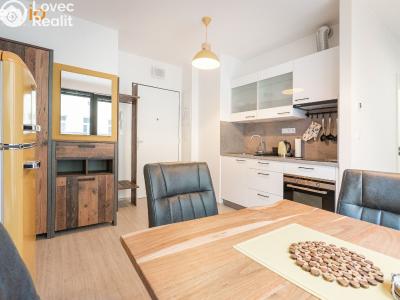
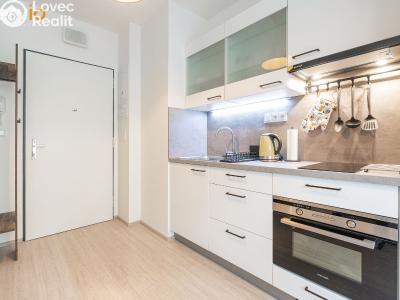
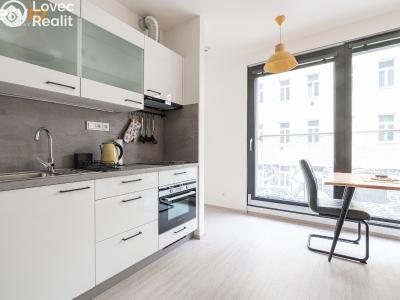
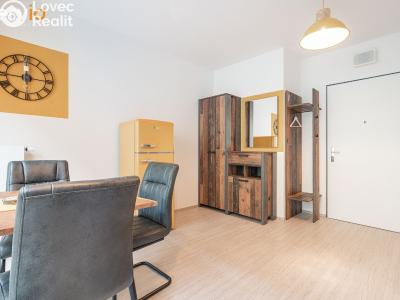
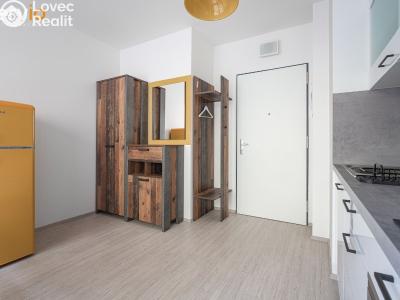
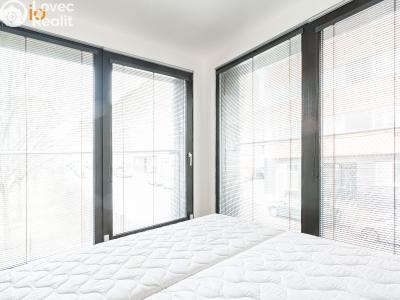
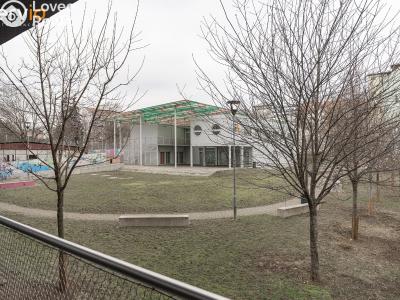
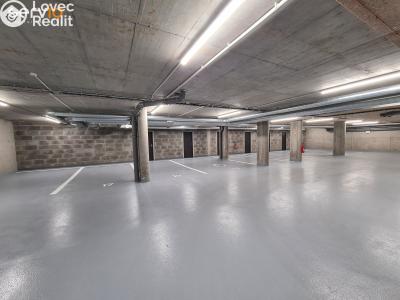
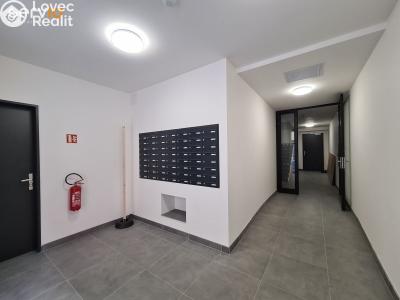
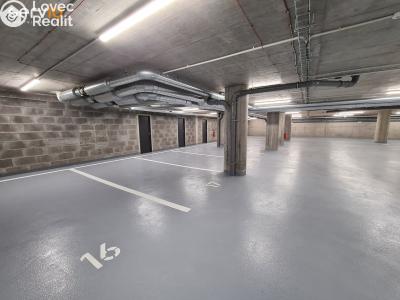
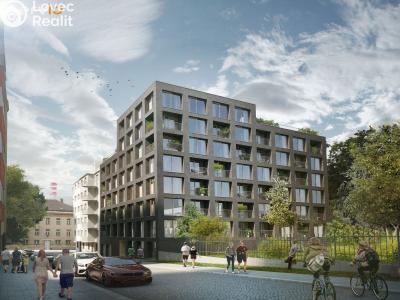
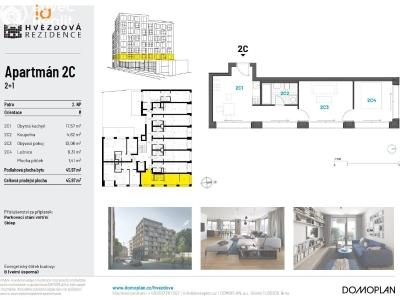
Brno, HvězdováNabízíme exkluzivně pronájem bytu 2+1 o velikosti 45,97 m2 a možností pronájmu krytého PS v objektu Rezidence Hvězdová, polyfunkční dům obklopený městským parkem, odkud je to na brněnské náměstí Svobody procházkou deset minut. Rezidence Hvězdová jedinečně kombinuje všechny ingredience moderního městského bydlení. Celá čtvrť navíc aktuálně prochází výraznou proměnou – v přímém sousedství vzniká nové komunitní a kulturní centrum, plánují se originální rezidenční komplexy jako např. Pekárenský dvůr, jejichž součástí bude městská zahrada i pestrá škála služeb. Díky přísně geometrické fasádě a promyšlené dispozici má každá jednotka alespoň jednu plně prosklenou stěnu, díky čemuž mizí hranice mezi apartmánem a jeho okolím. Architekt Roman Gale zároveň na plášť domu navrhl speciální řešení omítky v zajímavém lávovém designu, která bude první podobnou realizací v Brně. Rezidence Hvězdová se také stala realitním projektem roku 2020 pro Jihomoravský kraj. Součástí jednotky je moderně vybavená koupelna (sprcha, WC, umyvadlo, galerka se zrcadlem, věšáky, pračka), kompletní KL včetně spotřebičů (trouba, sporák), vinylová podlaha, jídelní stůl a židle, předsíňový nábytkový program, a další vybavení dle domluvy s majitelem. Objekt zabezpečen kamerovým systémem. Volné ihned, možnost pronájmu krytého PS za poplatek 2.500,-Kč/měs + DPH. Byt je vhodný pro jednotlivce nebo pro pár. Maximální počet osob 2. Cena nájmu činí 18.000,- Kč/měs., + služby a veškeré energie 5.000,- Kč/měs. Kauce ve výši dvou měsíčních nájmů. Provize RK 1 nájem + DPH. V případě zájmu jsou možné prohlídky kdykoliv po domluvě.
for month







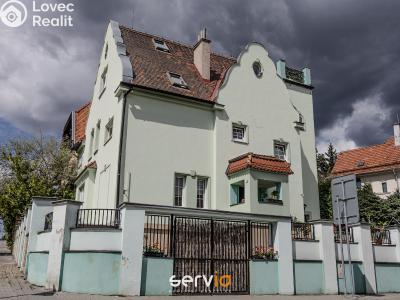
Apartment 2+1 for rent
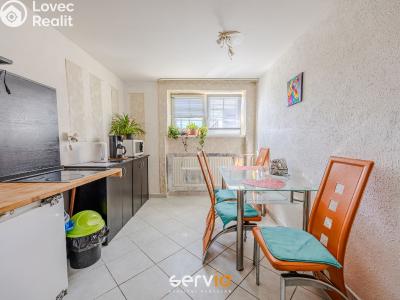
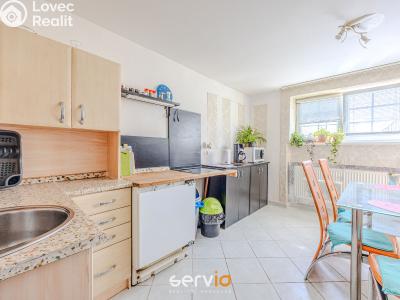
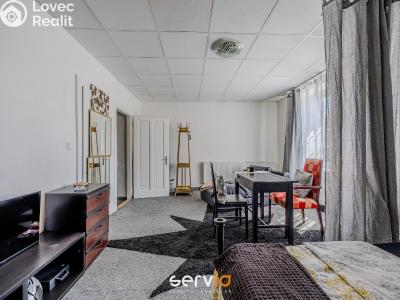
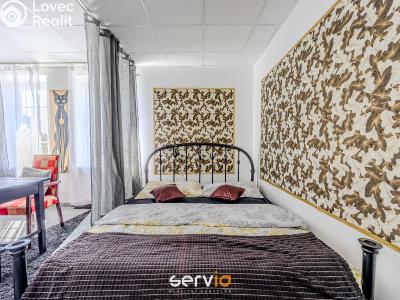
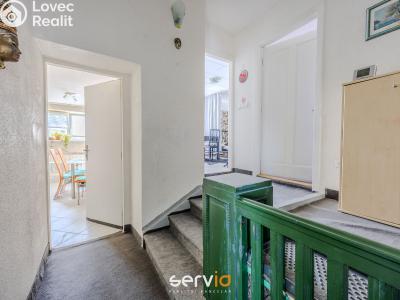
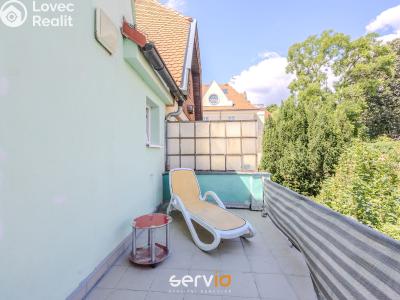
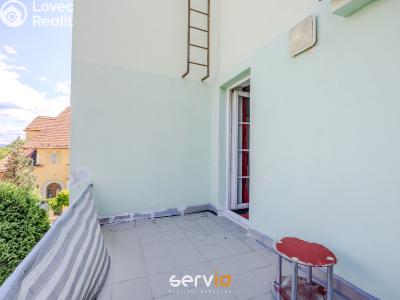
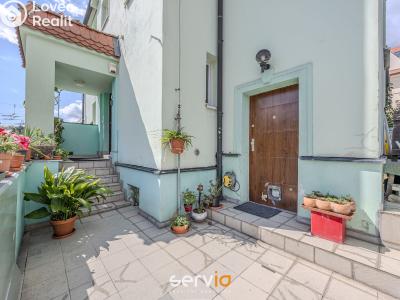
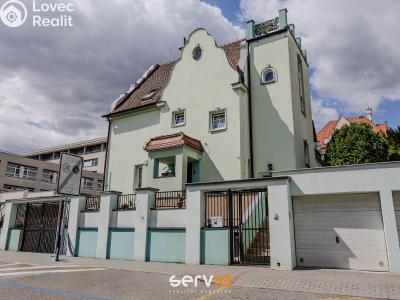
Brno, MahenovaNabízíme k podnájmu byt 2+1 s terasou, na ulici Mahenova, v městské části Brno - Stránice. Byt o podlahové ploše cca 90 m2 (+ cca 9 m2 terasa), se nachází v 1.NP/2.NP. Jedná se o jeden z celkového počtu dvou bytů v tomto domě. Vybavení bytu: Kuchyňská linka (sklokeramická deska, lednice, mikrovlnná trouba), pračka, 2x dvoulůžková postel a další nábytek dle foto. Vytápění zajišťuje plynový kotel v domě. Možnost parkování před domem. V blízkosti se nachází veškerá občanská vybavenost, zastávka MHD hned u domu. Cena podnájmu činí 22.000,- Kč/měs., + služby a veškeré energie 5.000,- Kč/měs. Kauce ve výši 1 podnájmu. Provize RK 1 podnájem + DPH. V případě zájmu jsou možné prohlídky kdykoliv po domluvě.
for month
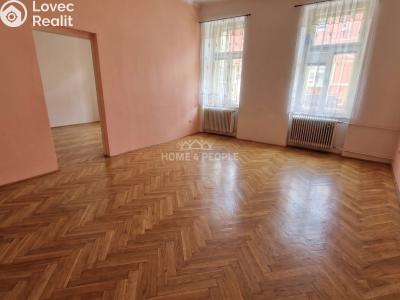
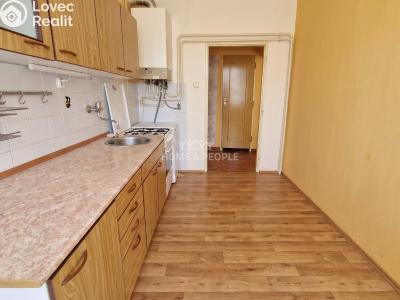
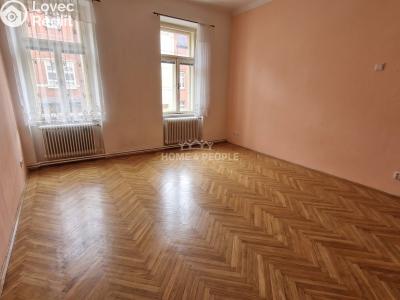
Apartment 2+1 for rent
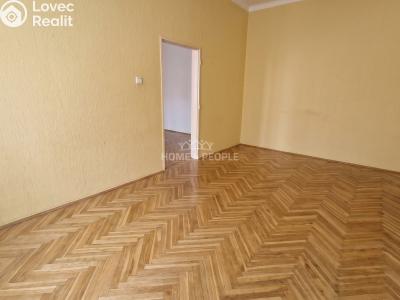
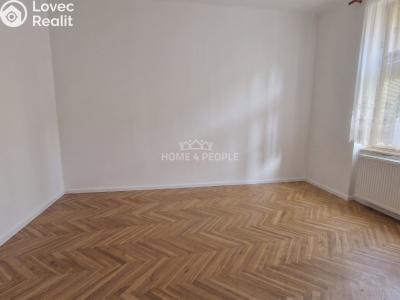
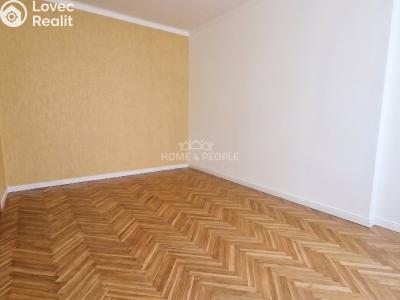
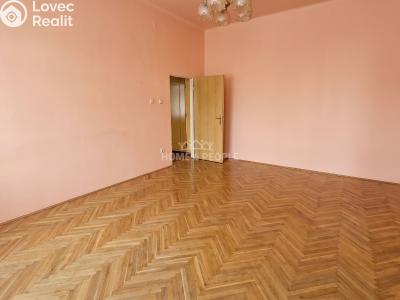
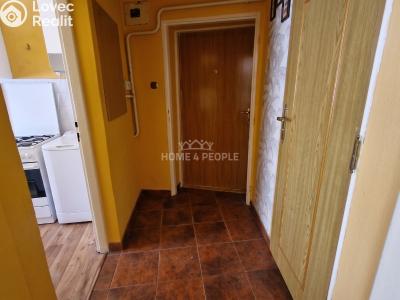
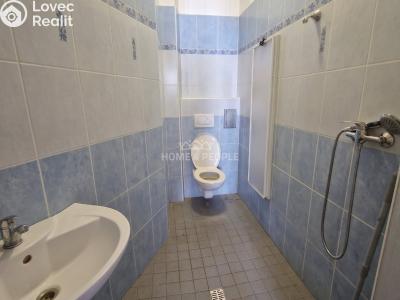
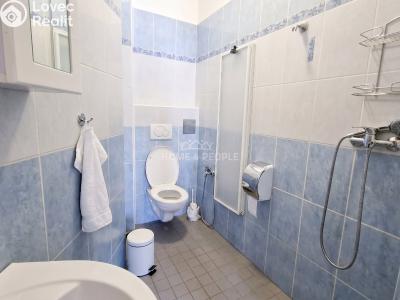
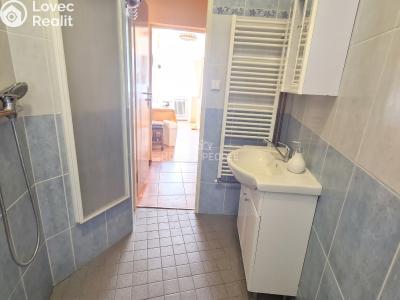
Brno, KamennáPronájem světlého a udržovaného bytu 2+1 (57 m²) – Brno, Štýřice (ulice Kamenná) Hledáte klidné a příjemné bydlení v žádané lokalitě s výbornou dostupností do centra Brna? Nabízím k dlouhodobému pronájmu prakticky řešený byt o dispozici 2+1 a celkové výměře 57 m², který se nachází v 1. patře. Byt je ve velmi slušném, čistém a pečlivě udržovaném stavu, připravený k okamžitému nastěhování. Díky své dispozici a umístění představuje ideální volbu pro jednotlivce, pracující pár nebo menší rodinu, která ocení pohodlí a klidnou atmosféru. Základní parametry: Dispozice: 2+1 Užitná plocha: 57 m² Podlaží: 1. patro Stav bytu: Velmi dobrý / udržovaný Lokalita: Brno – Štýřice, ul. Kamenná Dispozice a vybavení: Samostatná kuchyně s jídelním koutem Dva prostorné, světlé pokoje Koupelna se sprchovým koutem a WC Vstupní chodba Lokalita a občanská vybavenost: Lokalita Kamenné čtvrti a Štýřic nabízí perfektní kombinaci městského života a klidného zázemí. Zastávky MHD (tramvaj, autobus) jen pár minut chůze od domu – v centru Brna jste za zhruba 7 minut. V bezprostředním okolí najdete obchody, restaurace, kavárny, lékárnu i sportovní vyžití. Finanční podmínky: Nájemné: 19 500 Kč / měsíc Zálohy na služby a energie: 4 500 Kč/ měsíc Vratná kauce: 24.000Kč Provize:24.000Kč K nastěhování: Ihned Zaujala vás tato nabídka? Pro více informací nebo domluvení termínu prohlídky mě neváhejte kontaktovat. Těším se na vás na prohlídce! Ev. číslo: 32261.
for month
Apartment 2+1 for rent
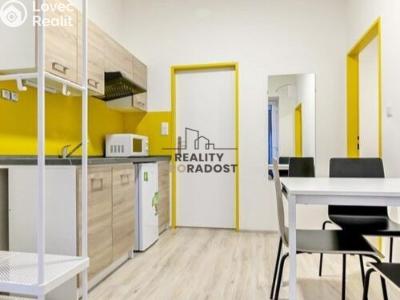
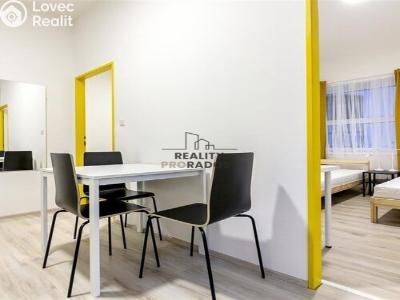
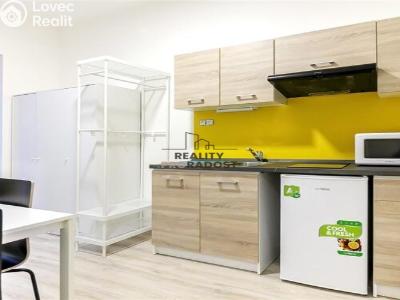
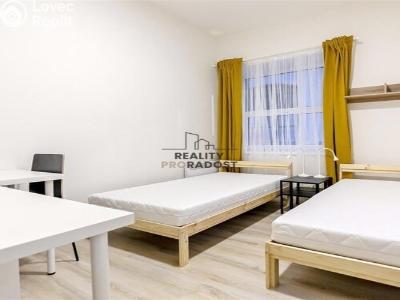
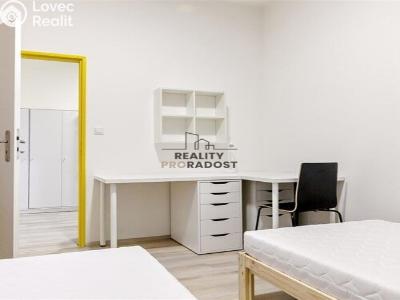
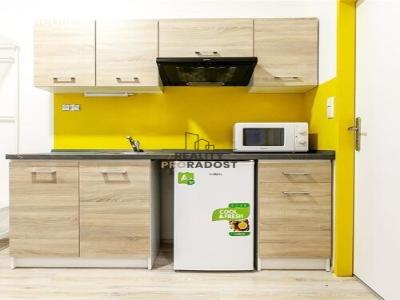
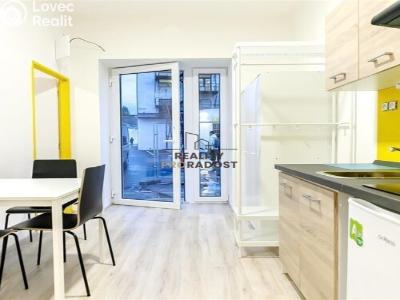
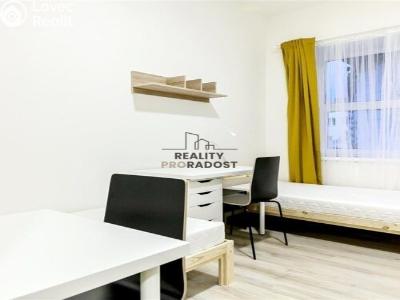
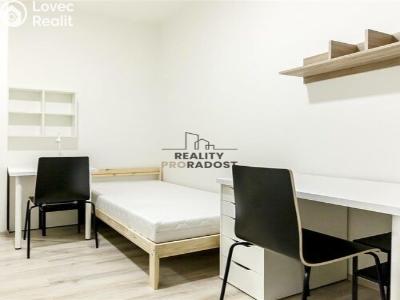
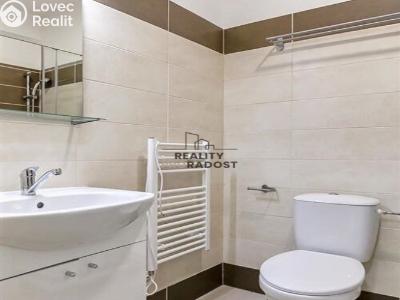
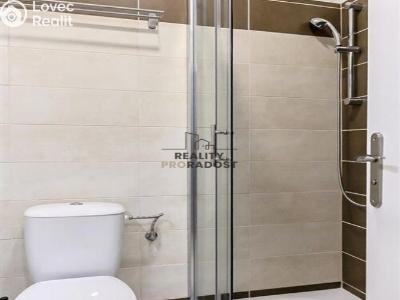
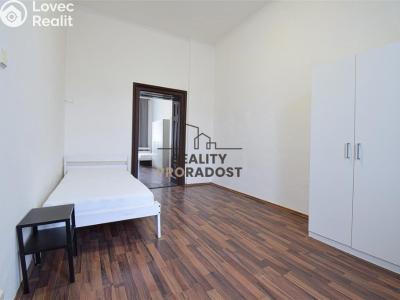
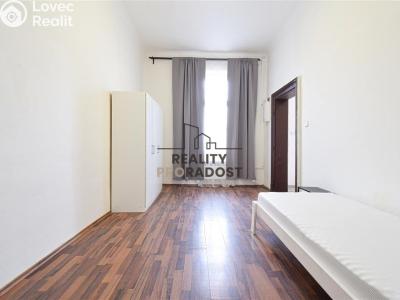
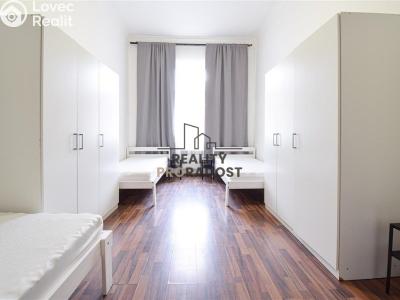
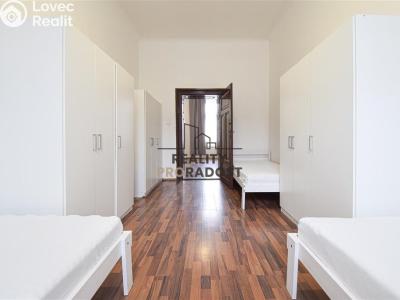
Brno, VáclavskáNabízím Vám podnájem nvybavené jednotky V.2.101 o dispozici 2+1, 33,45m2. Byt se nachází v 1NP bytového domu a je vhodný pro 4 nájemníky. Kuchyně je vybavena prostornou lednicí, mikrovlnnou troubou, varnou konvicí, jídelním stolem a židlemi. Každý pokoj je vybaven dvěma postelemi s nočními stolky a lampičkami, dva pracovní stoly s židlemi a skříň. V koupelně se nachází prostorný sprchový kout, záchod a umyvadlo s úložným prostorem a zrcadlem. K dispozici je příprava pro připojení vlastní pračky nebo můžete využít společných prádelen, kde se nachází vždy pračky a sušičky. V bytové jednotce je k dispozici internetové připojení. V případě že máte zvířátko, kauce se zvyšuje o 10.000,- a nájem o 1.000,- za měsíc. Prohlídky možné po domluvě. Více informací na telefonu a emailu. K nastěhování ihned.
for month
Apartment 2+1 for rent
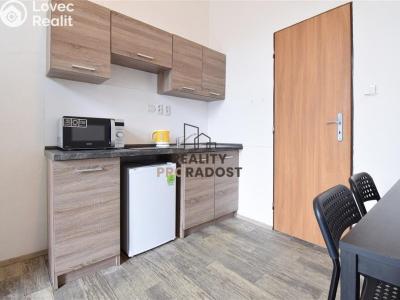
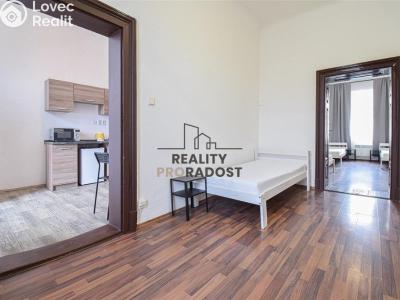
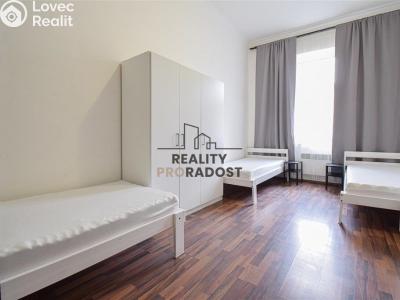
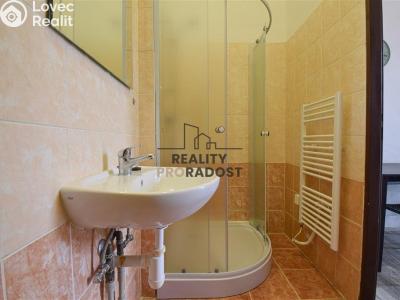
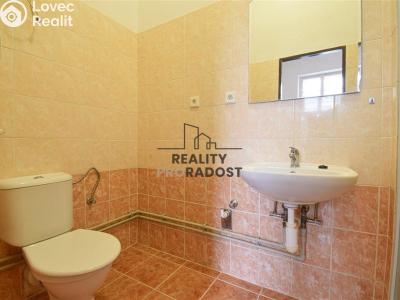
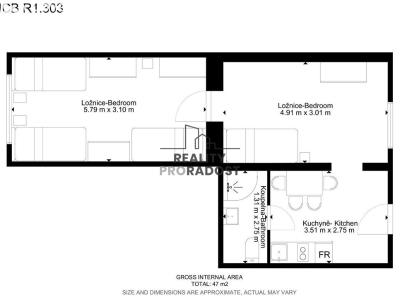
Brno, VáclavskáNabízím Vám podnájem vybavené jednotky o dispozici 2+1, 44m2, nachází se v 3NP bytového domu a je vhodný pro 4 nájemníky. Jednotka je vybavena prostornou lednicí, mikrovlnnou troubou, varnou konvicí a sporákem s troubou, jídelním stolem a židlemi, postel s nočními stolky atd. K dispozici je příprava pro připojení vlastní pračky nebo můžete využít společných prádelen, kde se nachází vždy pračky a sušičky. V bytové jednotce je k dispozici internetové připojení. V případě že máte zvířátko, kauce se zvyšuje o 10.000,- a nájem o 1.000,- za měsíc. Prohlídky možné po domluvě. Více informací na telefonu a emailu. Jednotka je volná ihned.
for month
Apartment 2+1 for rent
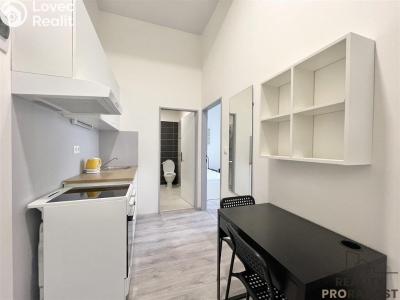
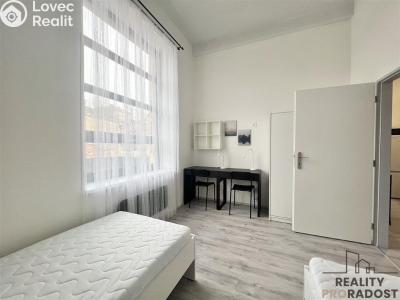
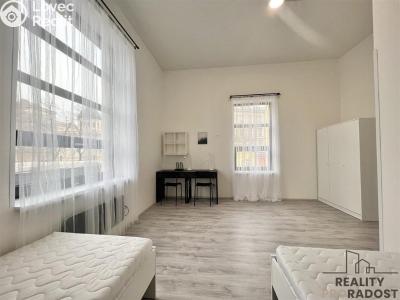
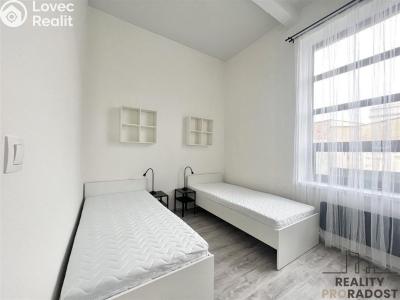
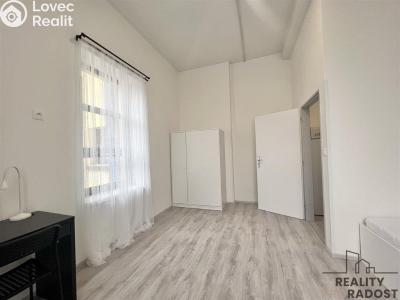
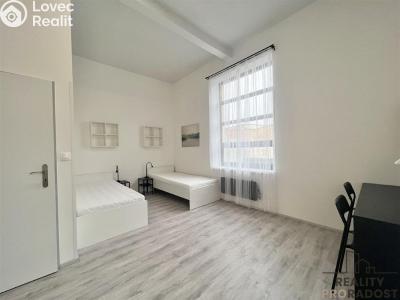
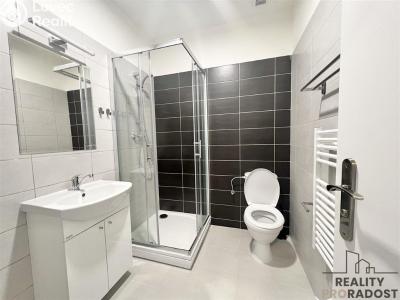
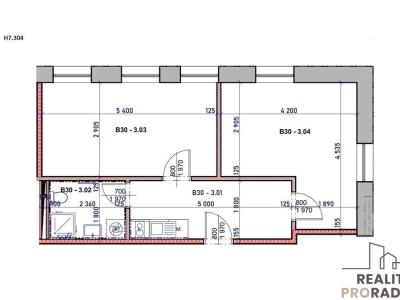
Brno, HybešovaNabízím Vám podnájem nové zrekonstruované vybavené jednotky o dispozici 2+1, 43,3m2. Byt se nachází v 3NP bytového domu a je vhodný pro 4 nájemníky. Kuchyně je vybavena prostornou lednicí, mikrovlnnou troubou, varnou konvicí a sporákem s troubou, jídelním stolem a židlemi. Každý pokoj je vybaven dvěma postelemi s nočními stolky a lampičkami, dva pracovní stoly s židlemi a skříň. V koupelně se nachází prostorný sprchový kout, záchod a umyvadlo s úložným prostorem a zrcadlem. K dispozici je příprava pro připojení vlastní pračky nebo můžete využít společných prádelen, kde se nachází vždy pračky a sušičky. V bytové jednotce je k dispozici internetové připojení. V případě že máte zvířátko, kauce se zvyšuje o 10.000,- a nájem o 1.000,- za měsíc. Prohlídky možné po domluvě. Více informací na telefonu a emailu. K nastěhování ihned.
for month
Apartment 2+1 for rent
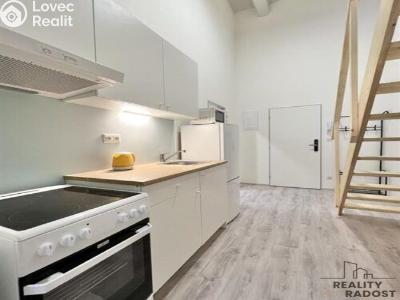
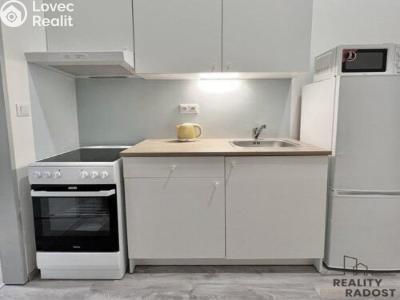
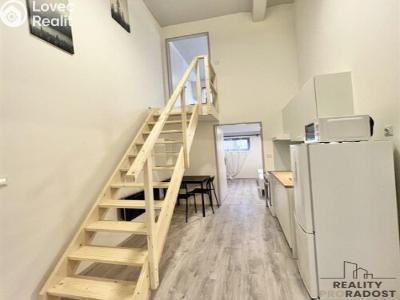
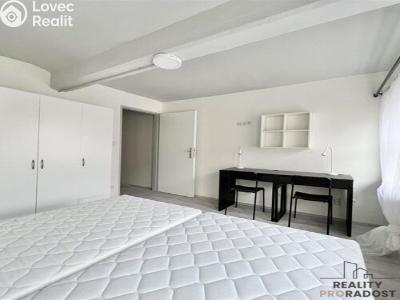
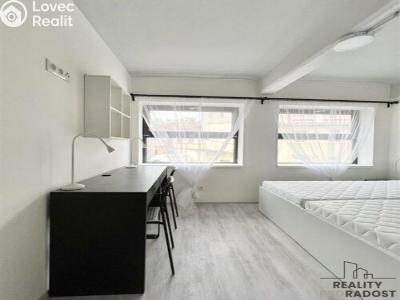
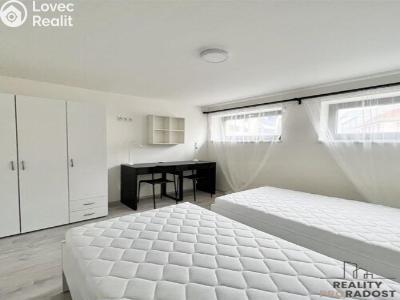
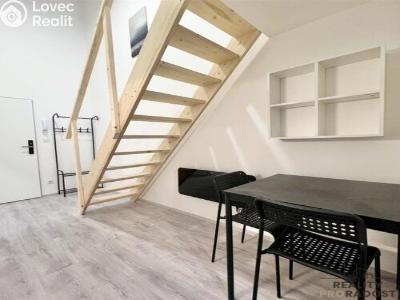
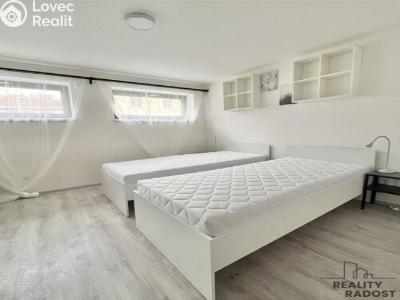
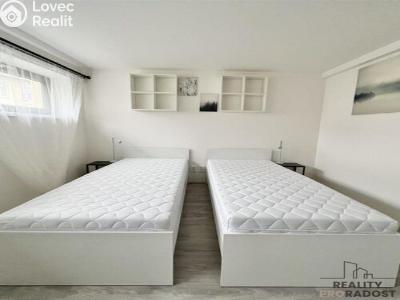
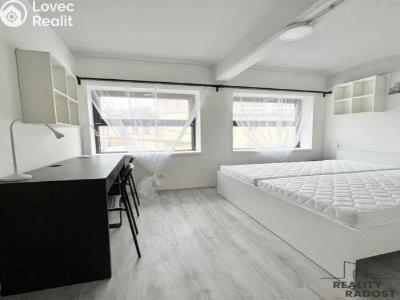
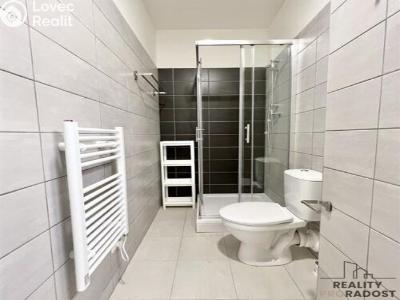
Brno, HybešovaNabízím Vám podnájem vybavené jednotky o dispozici 2+1, 39,94m2. Byt se nachází v 1NP bytového domu a je vhodný pro 4 nájemníky. Kuchyně je vybavena prostornou lednicí, mikrovlnnou troubou, varnou konvicí a sporákem s troubou, jídelním stolem a židlemi. Každý pokoj je vybaven dvěma postelemi s nočními stolky a lampičkami, dva pracovní stoly s židlemi a skříň. V koupelně se nachází prostorný sprchový kout, záchod a umyvadlo s úložným prostorem a zrcadlem. K dispozici je příprava pro připojení vlastní pračky nebo můžete využít společných prádelen, kde se nachází vždy pračky a sušičky. V bytové jednotce je k dispozici internetové připojení. V případě že máte zvířátko, kauce se zvyšuje o 10.000,- a nájem o 1.000,- za měsíc. Prohlídky možné po domluvě. Více informací na telefonu a emailu. K nastěhování ihned.
for month
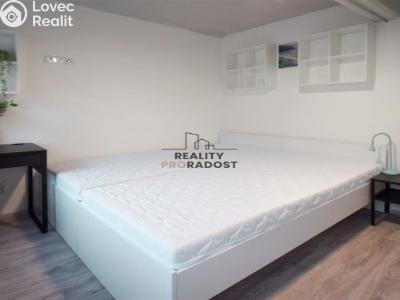
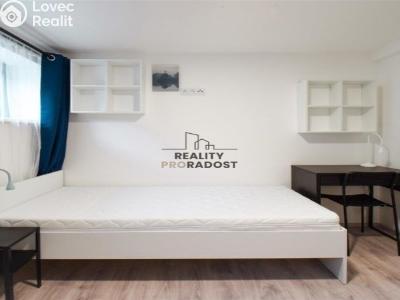
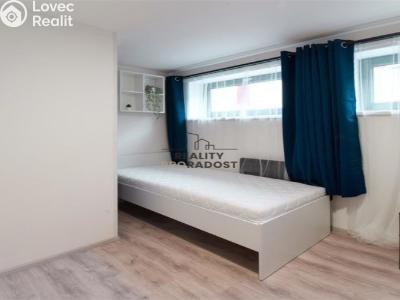
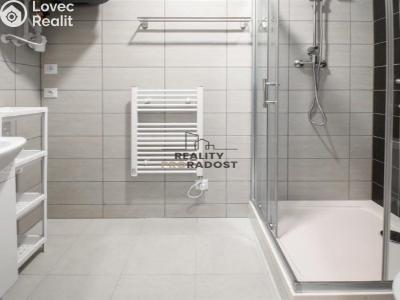
Apartment 2+1 for rent
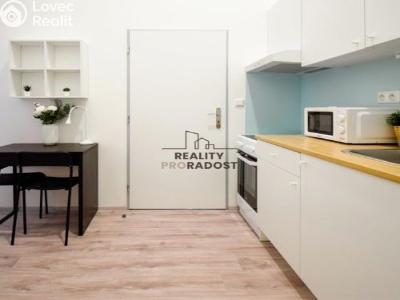
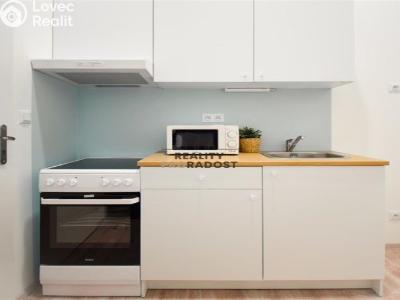
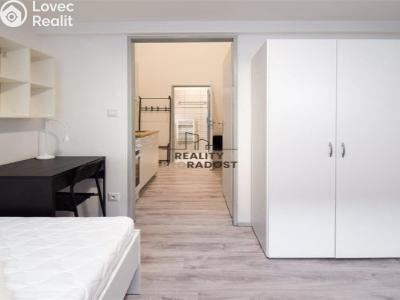
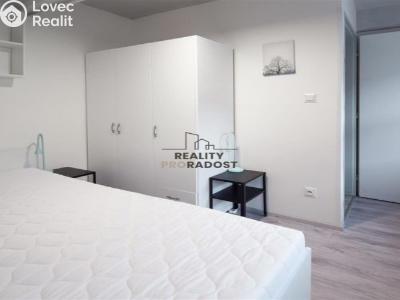
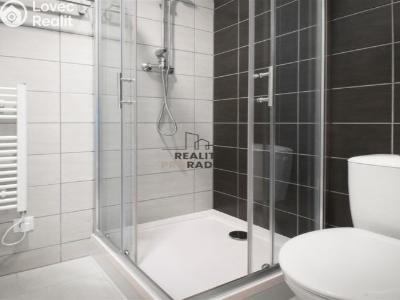
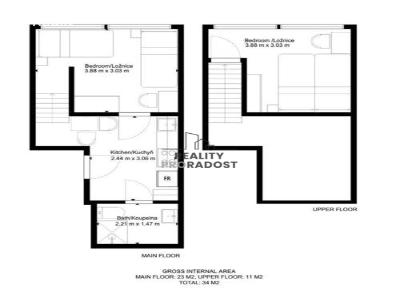
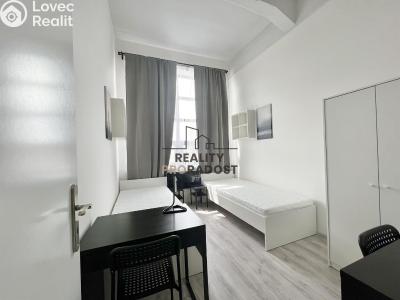
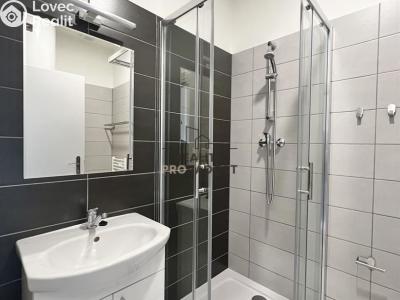
Brno, HybešovaNabízím Vám podnájem vybavené jednotky o dispozici 2+1, 31m2. Byt se nachází v 1NP bytového domu a je vhodný pro 4 nájemníky. Kuchyně je vybavena prostornou lednicí, mikrovlnnou troubou, varnou konvicí a sporákem s troubou, jídelním stolem a židlemi. Každý pokoj je vybaven dvěma postelemi s nočními stolky a lampičkami, dva pracovní stoly s židlemi a skříň. V koupelně se nachází prostorný sprchový kout, záchod a umyvadlo s úložným prostorem a zrcadlem. K dispozici je příprava pro připojení vlastní pračky nebo můžete využít společných prádelen, kde se nachází vždy pračky a sušičky. V bytové jednotce je k dispozici internetové připojení. V případě že máte zvířátko, kauce se zvyšuje o 10.000,- a nájem o 1.000,- za měsíc. Prohlídky možné po domluvě. Více informací na telefonu a emailu. K nastěhování ihned.
for month
Wide selection of apartments for rent in Brno 2+1 apartments online
Current for rent apartments in Brno 2+1 apartments are clearly listed on Lovec-Realit.cz. Offers from different types of advertisers are available, and thanks to filters you can easily refine your search by price, area, or other parameters. This helps you find a suitable listing faster. Another benefit is the option to respond without registration.
Renting an Apartment in Brno – Complete Guide 2026
Brno is the Czech Republic's second-largest city and the most active rental market in Moravia. Demand here comes primarily from students of two major universities (Masaryk University and Brno University of Technology), employees of IT and tech companies, and families relocating from smaller South Moravian towns. This page lists current rental apartments across all Brno districts - from studios (garsonka, 1+kk) to spacious family flats (3+1 and larger). Listings come from both private owners and real estate agencies, and you can contact anyone directly without registration or fees.
Brno is noticeably more affordable than Prague, but the gap has been narrowing over the past two years. Studios near the universities (Veveří, Královo Pole) push toward 400 CZK/m², while older 3+1 panel flats in outer districts stay around 260 CZK/m². The practical takeaway: the same budget buys you significantly more space here than in Prague – just not in the center.
Understanding Czech Apartment Notation
Czech real estate uses a specific notation for apartment sizes that often confuses foreigners. Here is what each term means:
Brno Rental Prices by Apartment Size (Q2 2026)
Current price ranges by layout, based on Lovec-Realit.cz listings, Otiwilium data, and Deloitte Rent Index.
| Layout | Average monthly rent | Price per m² | Typical m² | Best fit for |
|---|---|---|---|---|
| 1+kk / studio | 12,500 – 15,500 CZK | 380 – 410 CZK/m² | 28 – 35 m² | MUNI/BUT students, single professionals |
| 1+1 | 13,500 – 16,500 CZK | 340 – 380 CZK/m² | 35 – 45 m² | couples, young professionals |
| 2+kk | 16,000 – 20,000 CZK | 320 – 370 CZK/m² | 45 – 60 m² | couples, small families, shared housing |
| 2+1 | 17,000 – 21,000 CZK | 300 – 340 CZK/m² | 55 – 70 m² | families with one child |
| 3+kk | 22,000 – 28,000 CZK | 280 – 320 CZK/m² | 70 – 90 m² | families, 3-person shared housing |
| 3+1 and larger | 23,000 – 32,000 CZK | 260 – 290 CZK/m² | 80 – 110 m² | families, premium segment |
Note: Prices exclude utilities. Water, electricity, heating and internet typically add 2,500 – 5,000 CZK per month. In Žabovřesky, the average studio rent in February 2026 was 14,724 CZK (+5.1% YoY, Otiwilium). Brno rents are roughly 30–50% lower than Prague.
Most Popular Brno Districts for Renters
| District | Character | Price level | Transport | Best fit for |
|---|---|---|---|---|
| Brno-střed (center) | historic core, busiest area | high | trams, buses | young professionals, expats |
| Veveří | near center, university zone | high | tram 12, 13 | MUNI/BUT students, professionals |
| Královo Pole | BUT campus, tech companies, parks | medium-high | tram 1, 6, train | BUT students, tech workers, families |
| Žabovřesky | quiet residential, parks | medium | tram 1, 3 | families, quiet living |
| Černá Pole | quiet, near Lužánky park | medium | tram 5, 9 | families, young professionals |
| Lesná | panel housing near forest park | lower-medium | tram 9, bus | families, affordable |
| Bohunice / Starý Lískovec | MUNI campus, hospital | low | tram 8, bus | students, healthcare workers |
Transport and Connectivity
Brno has no metro – the public transport backbone is trams (13 daytime lines + night service), trolleybuses and buses operated by DPMB. Main interchanges are Hlavní nádraží (main station), Česká, Moravské náměstí and Mendlovo náměstí. Aim to live within 5–10 minutes' walk of a major tram line (1, 5, 6, 8, 9, 12, 13) – coverage is excellent and the tram is typically faster than a car in Brno.
How to Rent an Apartment in Brno Safely – Step by Step
Five practical steps that protect you from the most common rental issues.
- Verify the deposit amount.By the Czech Civil Code, the landlord may request a maximum of three months' rent. Typically it's one or two months. The deposit must be returned at the end of the lease, minus any documented damages.
- Check the agency commission.Standard commission is one month's rent plus 21% VAT. In Brno competition is somewhat lower than in Prague, so commissions tend to stay at full rate – often paid by the tenant.
- Calculate utilities and services.Water, electricity, heating, gas and internet typically add 2,500 – 5,000 CZK on top of rent. Always clarify what is included.
- Insist on a written lease.Use a fixed-term contract with clear termination terms, notice period, deposit amount, and an inventory of furnishings. Read repair and deposit-return clauses carefully.
- Document handover with photos.Create a detailed handover protocol on move-in: meter readings, condition of the apartment and furnishings, photos of every room. This protects you when the deposit is returned.
Frequently Asked Questions
How much does it cost to rent an apartment in Brno in 2026?
Studios start at 12,500 CZK, 2+kk apartments range 16,000 – 20,000 CZK, and 3+kk start from 22,000 CZK per month, excluding utilities. The average studio rent in Žabovřesky reached 14,724 CZK in February 2026 (Otiwilium).
Which Brno district is best for renters?
For students: Veveří, Královo Pole and Bohunice (near universities). For young professionals and expats: Brno-střed and Veveří. For families: Žabovřesky, Černá Pole and Lesná. For affordable prices: Bohunice, Starý Lískovec or Bystrc.
How much deposit can landlords demand?
By Czech Civil Code §2254, no more than three months' rent. Most ask for one or two. Must be returned after lease ends, minus any documented damages.
Is renting in Brno cheaper than in Prague?
Yes. Brno rents are on average 30–50% lower than Prague. A studio in Brno costs 12,500 – 15,500 CZK vs. 17,000 – 21,000 CZK in Prague. The gap is widest in the center, narrower in panel districts.